Zelený Kůň · Fodder for other animals
Fresh barley fodder for other animals
A fresh barley mat – green shoots, white roots and sprouted grain – is a lovely extra for horses, ponies, donkeys, goats, chickens and rabbits. For the best experience start small, keep the usual balanced ration and always offer clean water.
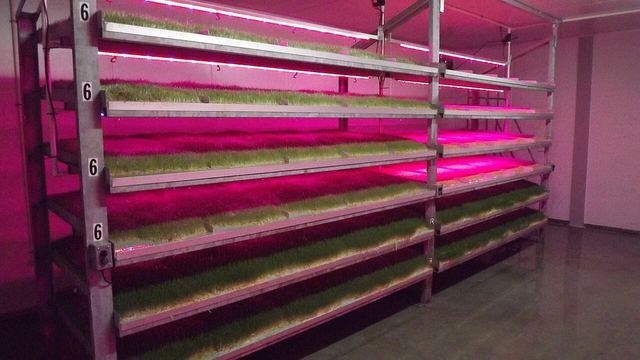
What is in a fresh barley fodder mat?
- Sprouted barley grain as the base of the whole mat.
- Fresh green shoots and leaves.
- White roots forming the root mat.
- Water held naturally in the plant.
- Carbohydrates, plant protein, fibre and minerals.
- Vitamins and antioxidants including vitamin C – levels shift with germination and light and vary by seed, conditions, harvest age and storage, so we don't quote a figure without batch analysis.
Hydroponic fodder video reference
We haven't yet verified a specific horse clip – the link opens a YouTube search.
Find a video on YouTubeVideos are third-party content in English; they are a visual demonstration only, not veterinary advice.
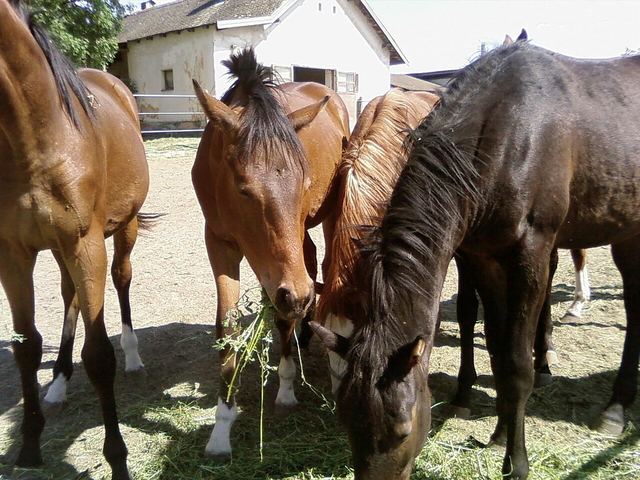
Horse
Horses have their own detailed Feeding Guide with a proposed four-week framework. A fresh barley mat brings a green, fragrant, juicy change to the stable – always alongside hay and clean water.
What it can offer as a supplement
A fresh green component, varied texture and enjoyment at feeding time. Many owners love how readily horses take to fresh shoots.
How to offer it
Break the mat into pieces and offer it in the manger beside hay or mixed with the usual feed. Hay and clean water remain the foundation.
Starter portion
For the best experience start with roughly 50–100 g for the first days, then be guided by your horse's weight, work, health and whole diet.
An indicative trial portion for home observation, not a prescribed ration. Introduce gradually, without automatic increases.
Good to know
- For horses with laminitis, EMS, PPID, excess weight, gastric ulcers or other illness, plan changes with a vet or equine nutritionist.
What to note down
- Acceptance and appetite
- Activity and general behaviour
- Droppings – consistency and amount
- Drinking
- Condition / weight (weight tape)
- Coat, skin and eyes – photos in the same light
Hydroponic fodder video reference
No verified pony clip yet – the link opens a YouTube search.
Find a video on YouTubeVideos are third-party content in English; they are a visual demonstration only, not veterinary advice.
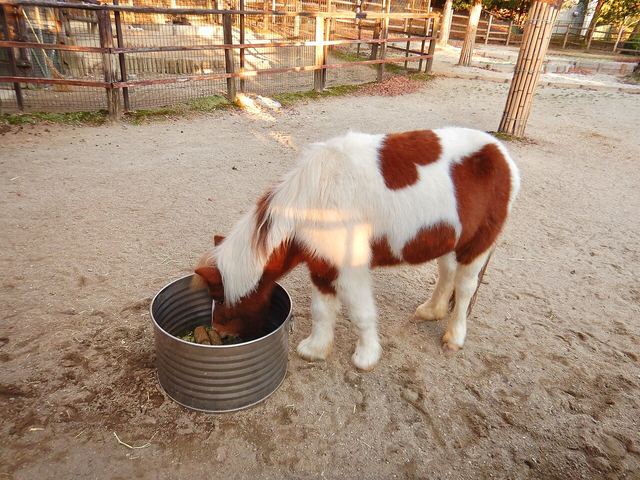
Pony
A pony deserves its own plan. A smaller body and thrifty metabolism mean a small, carefully measured taste works best.
What it can offer as a supplement
A green extra beside hay and a pleasant way to slow feeding when pieces are scattered through hay.
How to offer it
Scatter a few small pieces through hay or a hay net.
Starter portion
Start at the low end of 50–100 g, or less for small ponies, and tailor to body size. Don't borrow horse amounts.
An indicative trial portion for home observation, not a prescribed ration. Introduce gradually, without automatic increases.
Good to know
- For overweight, metabolic or laminitis-prone ponies, talk to a vet or nutritionist first.
What to note down
- Acceptance and appetite
- Activity and general behaviour
- Droppings – consistency and amount
- Drinking
- Condition, neck crest and fat pads
- Hooves and willingness to move
Hydroponic fodder video reference
No verified donkey clip yet – the link opens a YouTube search.
Find a video on YouTubeVideos are third-party content in English; they are a visual demonstration only, not veterinary advice.
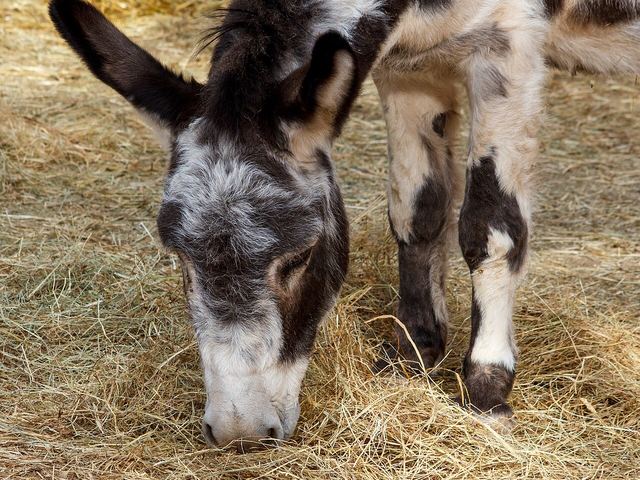
Donkey
Donkeys are masters of thrift. Fresh shoots suit them best as an occasional small treat they'll enjoy.
What it can offer as a supplement
An occasional green extra with straw or hay and a welcome change of scent and texture.
How to offer it
Offer a small piece by hand or scatter it through straw.
Starter portion
A taste only (well under 50–100 g) and occasionally. Larger amounts only after agreeing with a donkey-experienced vet or nutritionist.
An indicative trial portion for home observation, not a prescribed ration. Introduce gradually, without automatic increases.
Good to know
- Donkeys gain weight easily and can be prone to metabolic problems and hyperlipaemia – energy-richer feeds need extra care.
What to note down
- Acceptance and appetite
- Activity and general behaviour
- Droppings – consistency and amount
- Drinking
- Condition and fat pads
Hydroponic fodder video reference
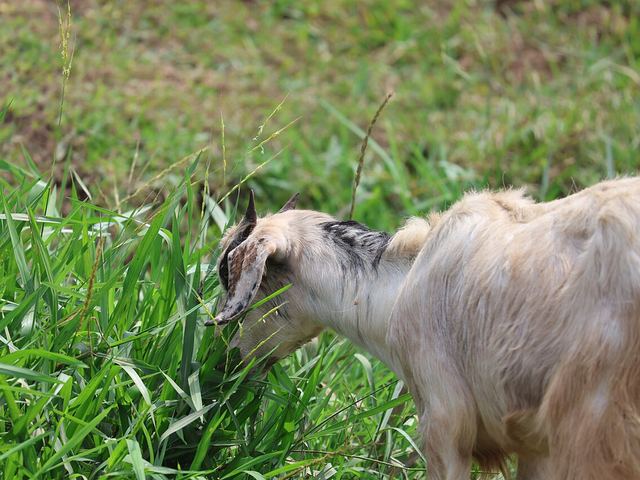
Goats eating hydroponic barley fodder.
Hydroponic barley fodder brings the pasture to the animal. (Mt. Capra)Videos are third-party content in English; they are a visual demonstration only, not veterinary advice.
Goat
Goats are curious gourmets. As ruminants they thrive on suitable roughage and a balanced ration – fresh shoots make a great extra.
What it can offer as a supplement
A small fresh supplement and feeding-time fun, not a replacement for the whole ration.
How to offer it
Offer torn pieces with hay, ideally at the same time each day.
Starter portion
Adult goat: start with about 25–50 g and add more only with good tolerance and after reviewing the whole ration.
An indicative trial portion for home observation, not a prescribed ration. Introduce gradually, without automatic increases.
Good to know
- For kids, pregnant and lactating does, seek professional advice.
What to note down
- Acceptance and appetite
- Activity and general behaviour
- Droppings – consistency and amount
- Drinking
- Cud chewing and left-flank fill
- Body condition
Hydroponic fodder video reference
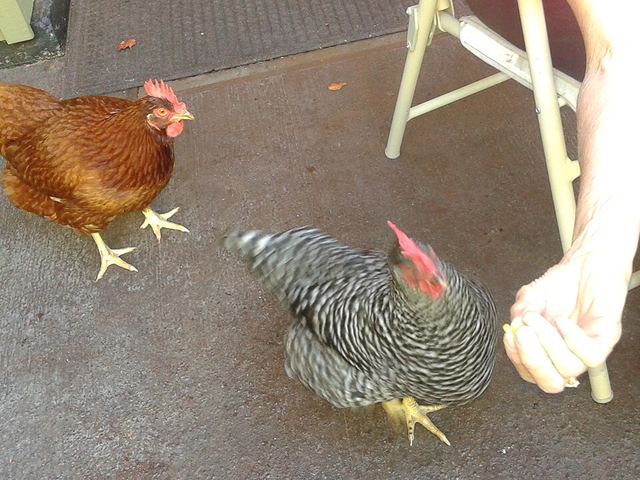
Growing sprouted grain for chickens.
Growing Sprouts for Chickens (Progress) – Forest Meadow FarmVideos are third-party content in English; they are a visual demonstration only, not veterinary advice.
Chicken
Hens love pecking and scratching. A complete flock feed and clean water remain the base; fresh shoots add fun and variety.
What it can offer as a supplement
A green extra and a natural invitation to peck.
How to offer it
Chop into small pieces or hang a section of mat. Tidy leftovers by evening.
Starter portion
About 5 g per bird or a small handful for the whole flock. Keep the balanced feed as the main ration.
An indicative trial portion for home observation, not a prescribed ration. Introduce gradually, without automatic increases.
Good to know
- Broiler research used formulated rations; its inclusion levels are not a universal guide for backyard flocks.
What to note down
- Pecking interest and flock activity
- Droppings
- Eggs per day
- Drinking
- Feathers and appearance
Hydroponic fodder video reference
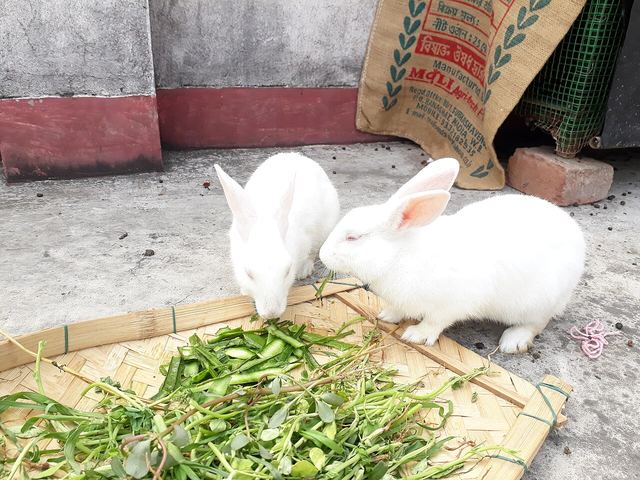
Growing barley fodder for rabbits and chickens.
Growing Barley Fodder for Rabbits and Chickens indoorsVideos are third-party content in English; they are a visual demonstration only, not veterinary advice.
Rabbit
Rabbits are delicate gourmets. Their diet is built on unlimited grass hay and fibre; greens are added gradually.
What it can offer as a supplement
A small optional green taste beside hay.
How to offer it
Offer a small sprig with a bit of root beside hay and remove leftovers.
Starter portion
A 3–5 g sprig, then wait for normal droppings and appetite.
An indicative trial portion for home observation, not a prescribed ration. Introduce gradually, without automatic increases.
Good to know
- For very young rabbits or rabbits with digestive problems, ask a rabbit-savvy vet.
- A rabbit that stops eating or passing droppings needs a vet the same day.
What to note down
- Acceptance and appetite
- Activity and general behaviour
- Droppings – consistency and amount
- Drinking
- Size and shape of droppings
- Coat and weight
For horses, ponies and donkeys
Fresh moisture and natural chewing
Natural moisture in each bite
Moisture is consumed bite by bite.
Living plant
Shoots and roots naturally hold moisture in their tissue.
Bite and chewing
Biting and chewing release plant moisture in the mouth.
With the plant
Moisture is swallowed together with the plant material.
Total water intake
It contributes to overall daily water intake.
Keep fresh drinking water freely available
Chewing is part of natural feeding
Each animal has individual needsBite
The animal takes a bite of fresh shoots.
Chewing
The plant material is chewed.
Saliva
Chewing stimulates saliva production.
Swallowing
Saliva helps moisten the bite for swallowing.
Background photo: Kchittock0511, CC BY-SA 3.0 – illustrative growing-room photo, not our own facility.
Portion and estimated cost calculator
A simple planner for a cautious trial portion at 25 CZK/kg. Figures show the price of the fresh portion you choose – not a nutritionally equivalent replacement for another feed, and not a feeding formula.
Informational calculation
Your selected portion equals about 15 g per 100 kg of body weight.
Informational calculation only—not a ration recommendation. The chosen portion is never changed automatically.
| Period | Amount | Cost |
|---|---|---|
| 1 d | 0.075 kg | 1.88 CZK |
| 7 d | 0.525 kg | 13.13 CZK |
| 30 d | 2.25 kg | 56.25 CZK |
Price 25 CZK/kg. The minimum delivered order and tub deposit follow the order terms.
Order fresh fodder30 days of thoughtful observation
A pleasant way to discover how your animal enjoys fresh fodder. At the end you compare baseline and final notes – differences can have many causes, not just the feed. One new feed at a time, and the vet always comes first.
Days 1–3
Baseline notes and photos – other feed unchanged.
Days 4–7
The first small trial portion.
Week 2
Continue, or add only slightly, if the animal enjoys it and all is normal.
Week 3
A steady, well-accepted portion and regular notes.
Week 4
Compare baseline and final notes.
Observation worksheet
Acceptance, appetite, activity, droppings, drinking, coat/skin/eyes in the same light, body condition and, for hens, egg count.
When to stop and call a vet
If the animal eats less, has diarrhoea or loose droppings, colic signs, bloating, lethargy or any other unusual change, stop the fodder and contact a vet.
Freshness and hygiene
Feed only fragrant, fresh fodder. Discard anything with mould, slime or an off smell. Clear leftovers and keep fresh water always on hand.
Frequently asked questions
Louny area within 25 km · free delivery once the minimum order is met
What research says
Hydroponic fodder is the subject of a growing body of interesting work. Each study applies to a specific species, ration and setting – results vary and don't transfer to every animal. Keepers' experiences are valuable personal observations, not trials.
- Hydroponic forage in ruminant nutrition – systematic review (Animals, 2025)
A review of ruminant studies. Outcomes vary with species, ration and husbandry.
- Hydroponic barley fodder in broiler diets (2024)
A broiler trial with formulated inclusion levels – an interesting insight, not a backyard recipe.
- Rabbit feeding trial (Scientific Reports, 2023)
A rabbit feeding trial under specific husbandry conditions.
- Light intensity and vitamins C and E in barley fodder (Agronomy, 2024)
Growing light affected vitamin C and E levels – so growing quality genuinely shows.
- Stomach (Gastric) Ulcers in Horses – Merck Veterinary Manual
A veterinary overview of the causes, signs and treatment of equine gastric ulcers.
- Diet for Rabbits – Merck Veterinary Manual
Rabbit diet guidance centred on hay and fibre.